

Unveiling the Mysticism of 1 Suro and Jathilan: An Anthropological Guide to Javanese Spirituality for International Travelers
Cultural - Antrhopology -Misticism - spirituality of Javanese wisdom
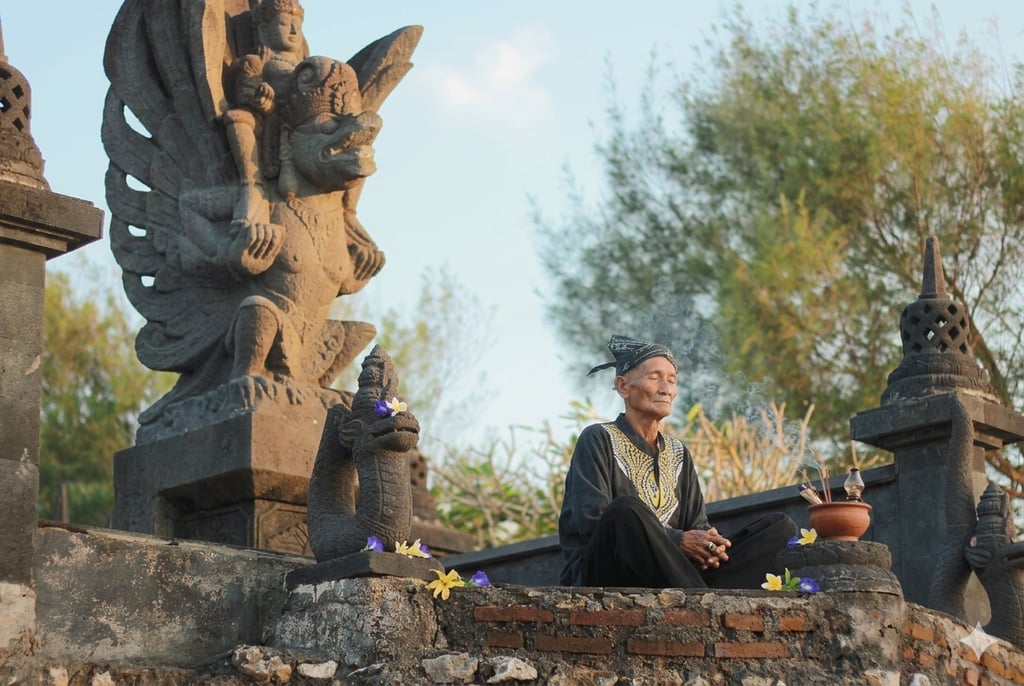
For discerning global cultural travellers, Java is more than a tropical landscape of volcanic peaks and ancient monuments. It is a living centre of esoteric spirituality. Within the Javanese calendar, no moment carries more sacred gravity than the eve of 1 Suro (the Javanese New Year). During this cosmic transition, the boundaries between the profane world and the spirit realm blur, giving rise to purification rituals (ruwatan) that culminate in folk performances known as Jathilan (the Javanese Horse Trance Dance).
Presented by PT Java Tour Explore (www.jelajahwisata.my.id), this comprehensive guide delves deep into the heart of Javanese mysticism. We break down the phenomenon of 1 Suro and the hypnotic Jathilan trance through the analytical lenses of cultural anthropology, cognitive neuroscience, and socio-political history, revealing its true nature as a vital tool for community healing and spiritual ascension.
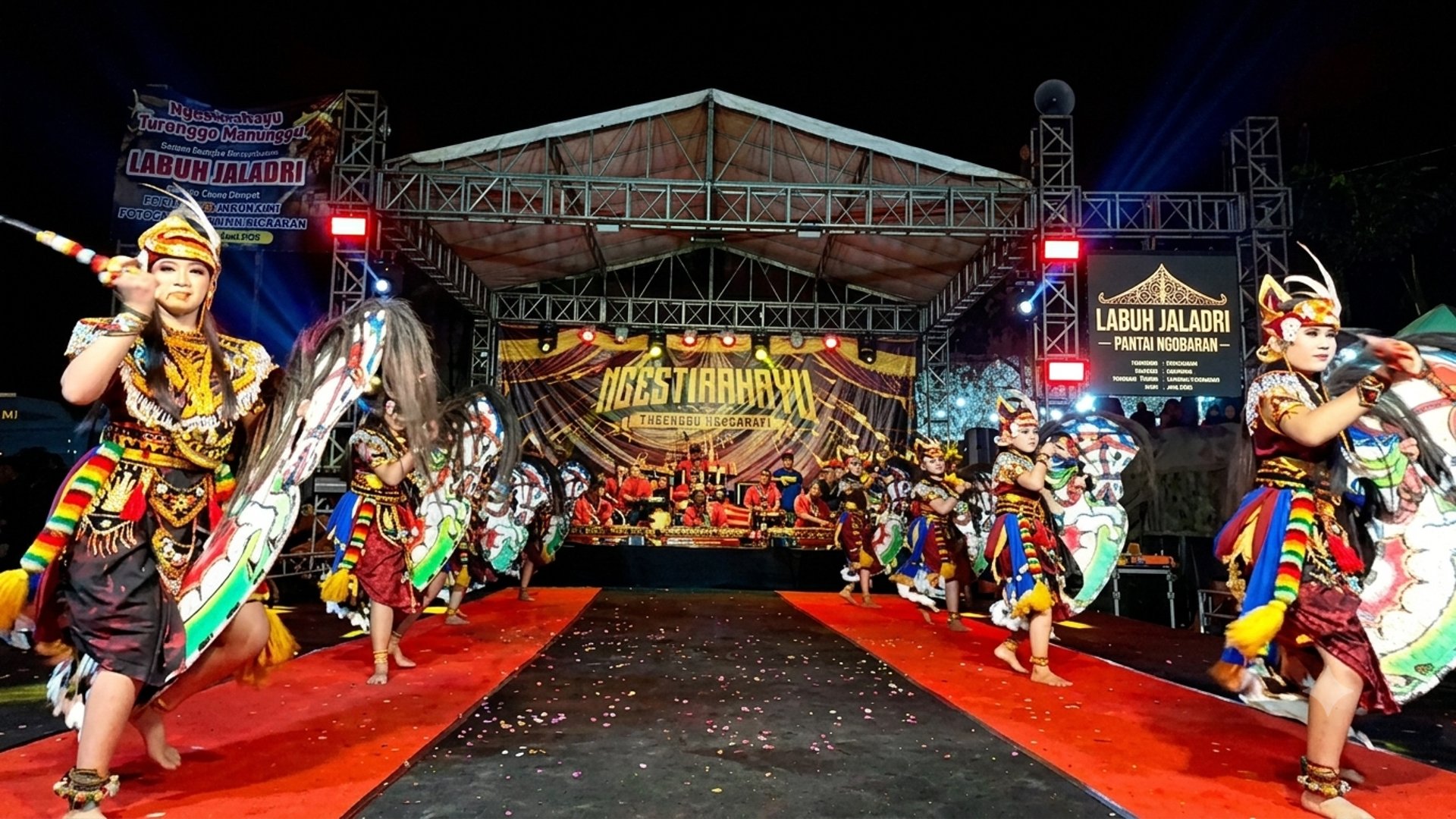
1. What is 1 Suro? The Cosmic Axis of Javanese Purification
To appreciate the raw energy of Jathilan during this season, an international visitor must first understand the temporal architecture of 1 Suro. Conceived by Sultan Agung of the Mataram Islamic Sultanate in the 17th century, the Javanese calendar is a brilliant, syncretic amalgamation of the Islamic lunar hijri system, the Hindu Saka calendar, and indigenous Javanese animistic seasonal cycles (Pranata Mangsa).
In Javanese cosmology, 1 Suro represents a profound liminal phase—a transitional crack in time where the veil between the human world and the unseen spirit realm (alam gaib) thins significantly. Unlike Western New Year celebrations, characterised by boisterous parties and fireworks, 1 Suro is met with absolute silence, introspection, and intensive purification (purifikasi/ruwatan).
Culturally, this cleansing is executed across two distinct dimensions:
Physical & Material Purification (Lair): Involving the ritual washing of ancestral heirloom weapons, such as the sacred Keris daggers (known as Sura-an or Siraman Pusaka), and bathing in sacred river confluences (tempuran).
Spiritual Purification (Batin): Achieved through ascetic practices (laku prihatin), such as Tapa Bisu—a meditative, midnight circumambulation of royal palace walls performed in total, absolute silence to purge the self of sengkolo (negative cosmic karmas or misfortune).
2. Jathilan: The Proletarian Voice and the Art of the Lower Class
While the royal courts (Kraton) of Yogyakarta and Surakarta mark 1 Suro with aristocratic, slow, and highly meditative dances (such as the sacred Bedhaya), the agrarian villages in the volcanic valleys celebrate it with the explosive, visceral, and unbridled collective energy of Jathilan.
The Contrast of Palace and Peasantry
In cultural anthropology, Jathilan is classified as a classic form of proletarian or subaltern art. Born in the hearts of Javanese peasant communities, this performance served historically as a psychological catharsis and a subtle medium of social resistance. Utilising horse props woven from split bamboo (kuda kepang), the dance mimics the heroic cavalry of local warriors while simultaneously lampooning colonial masters and feudal elites through satirical, exaggerated movements.
In stark contrast to the refined, highly controlled aesthetics of the palace (alus), Jathilan embraces a coarse, honest, spontaneous, and fiercely energetic aesthetic (gagrak/kasar). It creates a momentary socio-political vacuum where class structures collapse; everyone—old, young, wealthy, and impoverished—gathers together in dusty village squares to share a singular, unifying energetic experience.
3. The Shamanic Trance (Ndadi): Spiritual Cleansing via Altered States
The most mesmerising aspect of Jathilan for international observers is the phenomenon of Ndadi (spiritual possession or trance). As the Pawang (the shamanic master of ceremonies) begins burning sweet benzoin incense (kemenyan) and chanting esoteric mantras, dancers who were previously moving in synchronised rhythms suddenly undergo a radical psychological shift, abandoning their conscious ego.
[Ritual Begins] ➔ [Gamelan Accelerates] ➔ [Incense Invocation] ➔ [Ndadi / Deep Trance State]
In this altered state, dancers are believed to be possessed by varying spiritual entities—ranging from ancestral guardians and ancient warriors to nature spirits (animalistic forces captured beautifully in the large-scale nocturnal performances featured in the image. Dancers under possession demonstrate astonishing feats of physical anomaly: chewing shards of glass, peeling coconuts with their bare teeth, or remaining completely unbothered by heavy lashes from a large leather whip.
The Metaphysics of Collective Healing
For the local community, ndadi is not a macabre display of black magic; it is a vital form of communal spiritual purification. The spirits entering the dancers act as spiritual sponges, absorbing the latent negative energies, community grievances, and ill-fortune accumulated over the past year. When the shaman successfully coaxes the spirits out and heals the dancers, it symbolises the ultimate triumph of cosmic order over chaos. The village is effectively scrubbed clean, spiritually recalibrated for the incoming year.
4. Scientific and Anthropological Perspectives: Decoding the Trance
For Western travellers accustomed to empirical rationalism, the Jathilan trance inevitably prompts a burning question: Is this a genuine psychological phenomenon, or is it merely highly coordinated theatrical acting? Modern anthropology and cognitive neuroscience offer fascinating explanations.
The Neurological View: Altered States of Consciousness (ASC)
Scientifically, the ndadi state is recognised as a profound Altered State of Consciousness (ASC), exhibiting striking parallels to deep hypnotic states studied in clinical psychology. This state is triggered by highly specific neurophysiological catalysts:
Rhythmic Auditory Stimulation (RAS): The hypnotic soundtrack of Jathilan is driven by the relentless, repetitive polyrhythms of the kendang (drums) and the piercing, high-frequency wail of the selompret (traditional oboe). This continuous acoustic driving actively alters the brainwave activity of the dancers, shifting them from Beta waves (alert, waking consciousness) down into Theta (4–8 Hz) or even Delta frequencies, which are typically reserved for deep sleep or advanced meditative states.
Extreme Physical Exhaustion: Dancers perform demanding, repetitive choreography for hours under intense heat or blinding stage lighting. This extreme physical exertion triggers a massive rush of endorphins and enkephalins, inducing a powerful state of exercise-induced analgesia (insensitivity to pain) and profound spiritual euphoria.
Hypnotic Environmental Suggestions: The heavy, sweet smell of incense, the hyper-saturated visual patterns of traditional costumes, and the focused collective expectation of the audience create a perfect psychological vacuum that allows the performer to fully disengage their executive cognitive control networks.
The Anthropological View: Collective Effervescence
Anthropologists frequently look to Émile Durkheim’s concept of Collective Effervescence to decode Jathilan. When a community gathers around a shared, intense sacred focus, a unique psychological resonance occurs. As vividly documented in the close-up shot within the file. The facial expressions of the dancers are intensely strained, filled with visceral determination and raw, unfiltered emotion. This is not mere theatricality; it is an exhausting, therapeutic release of the socio-psychological pressures of agrarian life, fully legitimised and supported by the community’s cultural matrix.
5. High-Level Kebatinan: Testing Spiritual Fortitude and Inter-Dimensional Communication
Beyond its role as community entertainment, Jathilan serves on an esoteric level as a rigorous testing ground for Kebatinan (inner Javanese mysticism) and an active portal for verbal communication with the spirit world.
A. Assessing Inner Fortitude
In advanced Javanese mysticism, a trance state is not seen as a foolish loss of self-control, but rather a complex test of the soul’s architecture. An advanced practitioner or dancer is evaluated by their ability to achieve Rogo Sukmo (temporary astral detachment) or Jiwa Kosong (the void mind), allowing a spiritual entity (Indang) to occupy their vessel without fracturing their long-term psychological stability.
The Shaman observes the trance to gauge the dancer’s pagar batin (spiritual shield). Dancers with weak inner development become erratic, self-destructive, and difficult to snap back to reality. Conversely, a dancer operating on a high level of kebatinan displays a trance that is majestic, balanced, and remarkably poised—exuding a calm, otherworldly authority.
B. Verbal Inter-Dimensional Communication (Dhawuh & Nembung)
One of the most profound events for cultural researchers occurs when a high-level dancer in a deep trance begins to speak. This rare state is known as Dhawuh (receiving divine edicts) or Nembung (verbal channelling).
When a true ancestral entity or a Dhanyang (the guardian spirit of the land) possesses a highly spiritually developed dancer, the individual’s vocal inflexions alter completely. They cease all wild animalistic grunts and begin speaking in highly complex, elegant, and archaic dialects of High Javanese (Krama Inggil) or even Old Javanese (Kawi)—languages the dancer may have zero formal knowledge of in their normal waking life.
Through this verbal channelling, the unseen world communicates directly with the village, providing:
Cosmic Forecasts: Warnings of impending natural anomalies, volcanic changes, or agricultural blights in the coming cycle.
Social Criticisms: Direct moral corrections aimed at village elders or community leaders who have strayed from ethical paths.
Ritual Directives: Highly specific adjustments required in upcoming ceremonies to maintain the perfect energetic equilibrium of the territory.
6. The Bifurcation: Sacred Ritual vs. The Tourism Industry
In the modern era, Jathilan has adapted dynamically through what sociologists call functional bifurcation, branching into two distinct yet complementary formats:
THE JATHILAN ARTFORM
Sacred Ritual / Ruwatan Fine Art / Commercial Tourism
- Bound to cosmic time (1 Suro etc.) - Highly flexible scheduling
- Non-negotiable, complex offerings - Optimised visual choreography
- Unfiltered, deep spiritual trance - Simulated or strictly timed trance
- Geared towards community healing - Designed for global artistic showcase
Through the pioneering research of scholars like Prof. Dr Soedarsono (Gadjah Mada University), this transformation is recognised as a healthy, adaptive strategy for indigenous arts. By packaging traditional art into high-quality, timed Tourism Performances, local communities can generate sustainable economic livelihoods while fiercely preserving the secret, uncommercialized versions of their sacred rites behind closed doors.
7. An International Visitor’s Guide to Respectful Etiquette
Attending a traditional, raw Jathilan performance requires adherence to specific local taboos to ensure your safety and respect the sacredness of the space:
Dress Modestly: Even if the performance takes place in a muddy field, avoid revealing clothing. Cover your shoulders and knees out of respect for the village ancestors.
Maintain a Safe Distance: When a dancer enters ndadi, give them a wide berth. Their movements are completely erratic, and their heavy leather whips can swing unpredictably.
Keep Thoughts and Language Positive: Javanese people place immense weight on batin (telepathic intent). Speaking negatively or displaying blatant mockery at the edge of the ring is believed to insult the spirits, occasionally causing the entity to aggressively target the sceptic.
Smart Photography Etiquette: Photography is highly welcomed. However, never use direct flash on a dancer undergoing a trance transition. The sudden burst of light can violently shock their altered neurological system, causing physical harm or an aggressive psychological break.
8. Exclusive offers: Private Spiritual Processions at Ngobaran Beach
We recognise that for corporate delegations, specialised anthropology researchers, spiritual communities, and luxury cultural seekers, a public festival can be overwhelming and difficult to analyse deeply due to the chaotic crowds.
To bridge this gap, PT Java Tour Explore (www.jelajahwisata.my.id) proudly offers an unparalleled, highly customised opportunity: The Private Spiritual Ruwatan & Jathilan Procession.
Your Private Group * ➔ PT Java Tour Explore ➔ Padepokan Sapto Jati Bayu Manunggal v Sacred Ritual at Ngobaran Beach
An Exclusive Collaboration with Mbah Wasono
We have secured an exclusive partnership with Padepokan Sapto Jati Bayu Manunggal, a highly revered sanctuary of Javanese kebatinan led by Mbah Wasono—a legendary, senior spiritual elder and shamanic master whose lineage has preserved the unadulterated pakem (sacred laws) of Javanese spiritualism for decades.
The Majestic Backdrop of Ngobaran Beach
This private ritual is orchestrated far away from standard tourist tracks, set against the breathtaking, dramatic cliffs of Ngobaran Beach, Gunungkidul, Yogyakarta. Renowned as a potent energy vortex along Java’s sacred Southern Ocean, Ngobaran Beach features stunning cliffside pavilions, ancient Kejawen monuments, and the crashing waves of the Indian Ocean—providing the ultimate, cinematic altar for cosmic alignment.
What is Included in Your Customised Group Itinerary?
Private Group Ruwatan: A personalised purification ceremony orchestrated by Mbah Wasono for your group. This involves the creation of an intricate, customised sajen (offering matrix) tailored to your group’s energetic blueprint to dispel obstacles and invite collective harmony.
Sunset Sacred Jathilan Performance: A private, uninterrupted staging of the horse trance dance on the edge of the Ngobaran cliffs as the sun dips below the horizon. The performance can be curated to focus strictly on your goals—whether it is advanced academic documentation or a pure, deep meditative experience.
Direct Esoteric Dialogue: A private, post-ritual fireside audience with Mbah Wasono. Guided by our expert cultural translators, your group can ask profound questions regarding kebatinan, inter-dimensional communication, and receive intuitive spiritual readings of your group’s collective energy.
Comprehensive Luxury Logistics: We handle all delicate local customary permits (ijin adat), community coordination, premium transport to the remote cliffs of Gunungkidul, five-star catering, and expert bilingual anthropologists to guide your journey seamlessly.
Secure Your Transformative Journey Today
Due to the intense spiritual preparation, sourcing of authentic offering materials, and strict adherence to cosmic dates, our Private Spiritual Processions at Ngobaran Beach are strictly limited to a select number of groups per season.
Do not just look at Javanese culture from behind a bus window. Step directly into its mystical reality, feel the ancient frequency of the land, and return home with a deeply purified soul.
Contact our Strategic Travel Consultants at PT Java Tour Explore via www.jelajahwisata.my.id today to design your private, high-level Javanese expedition.


Address
PT Java Tour Explore
Glagahsari street No.31A, Warungboto, Kec. Umbulharjo 55164
Yogyakarta Special Region
Contacts
+6282226557009
cs@jelajahwisata.my.id
Subscribe to our post updates & discount